

Every December, the design world pauses for one particular reason: the reveal of the Pantone Color of the Year 2026. Whether you follow global trends religiously or only notice them when they pop up on Instagram or Pinterest mood boards, Pantone’s pick somehow always influences conversations in fashion, branding, lifestyle, and culture. For 2026, the spotlight lands on a surprisingly unexpected shade: Cloud Dancer.
At first glance, you might think, “It’s just white.” But Cloud Dancer is far from empty — it’s intentional. It’s soft, calming, and airy, like a blank page waiting for a better story. And honestly? After everything the world has gone through: wars, political chaos, misinformation, AI anxieties, job uncertainty, burnout, and social division, Cloud Dancer feels like a collective exhale. It’s a color that invites clarity, renewal, and the chance to start over.

Let’s Remember Why Pantone Matters
Pantone started in the 1960s as a small printing company struggling with a universal problem: colors never matched across printers, brands, or materials. They solved it with the Pantone Matching System (PMS), creating a universal color language for designers, manufacturers, and creatives. By 2000, when Pantone introduced its Color of the Year, the company had evolved from a technical authority to a cultural barometer, reflecting the global mood, trends, and collective emotions.

And in 2026, that mood calls for a reset.
So, inspired by Cloud Dancer, here’s a 10-item list of the cultural resets the world and the Philippines needs:
1. Reset Our Relationship With Technology and AI
Technology is powerful, but it shouldn’t control us. AI can enhance creativity and productivity, but it must be used responsibly, ethically, and in ways that protect human livelihoods.
2. Reset Civic Awareness and Leadership Expectations
Corruption, political theater, and broken systems have tested public trust. A cultural reset means being informed, demanding accountability, voting wisely, and staying engaged, not just during elections.
3. Reset Mental Health Awareness
Stress, burnout, and anxiety are no longer private struggles. They’re societal ones. Normalizing mental health care, reducing stigma, and prioritizing well-being should be a global priority.
4. Reset Family and Interpersonal Relationships
Families are the cornerstone of Filipino society, but modern life strains connections. A reset calls for more quality time, honest communication, and emotional presence in our homes.
5. Reset How We Consume Information
Misinformation spreads faster than ever. Developing media literacy, fact-checking habits, and the courage to question sources is key to rebuilding trust and shared reality.
6. Reset Community and Human Connection
Despite being digitally connected, people are increasingly isolated. A reset emphasizes real conversations, community support, empathy, and bayanihan in both local and global contexts.
7. Reset Education and Lifelong Learning
Memorization alone doesn’t prepare people for the future. Education should foster creativity, critical thinking, empathy, and adaptability—skills for a rapidly changing world.
8. Reset Appreciation for Art and Culture
Art is more than decoration. It’s a reflection of society, a tool for empathy, and a way to process shared experiences. Encouraging creativity, supporting local artists, and valuing cultural heritage can help societies heal and innovate.
9. Reset Environmental Responsibility
Climate change and environmental degradation require long-term commitment, not temporary campaigns. Sustainability must become a default practice in policy, business, and personal life.
10. Reset Personal Identity and Purpose
Many people are exhausted, questioning what matters, and redefining success. Cloud Dancer encourages us to slow down, reflect, and rebuild personal goals, values, and purpose with intention.
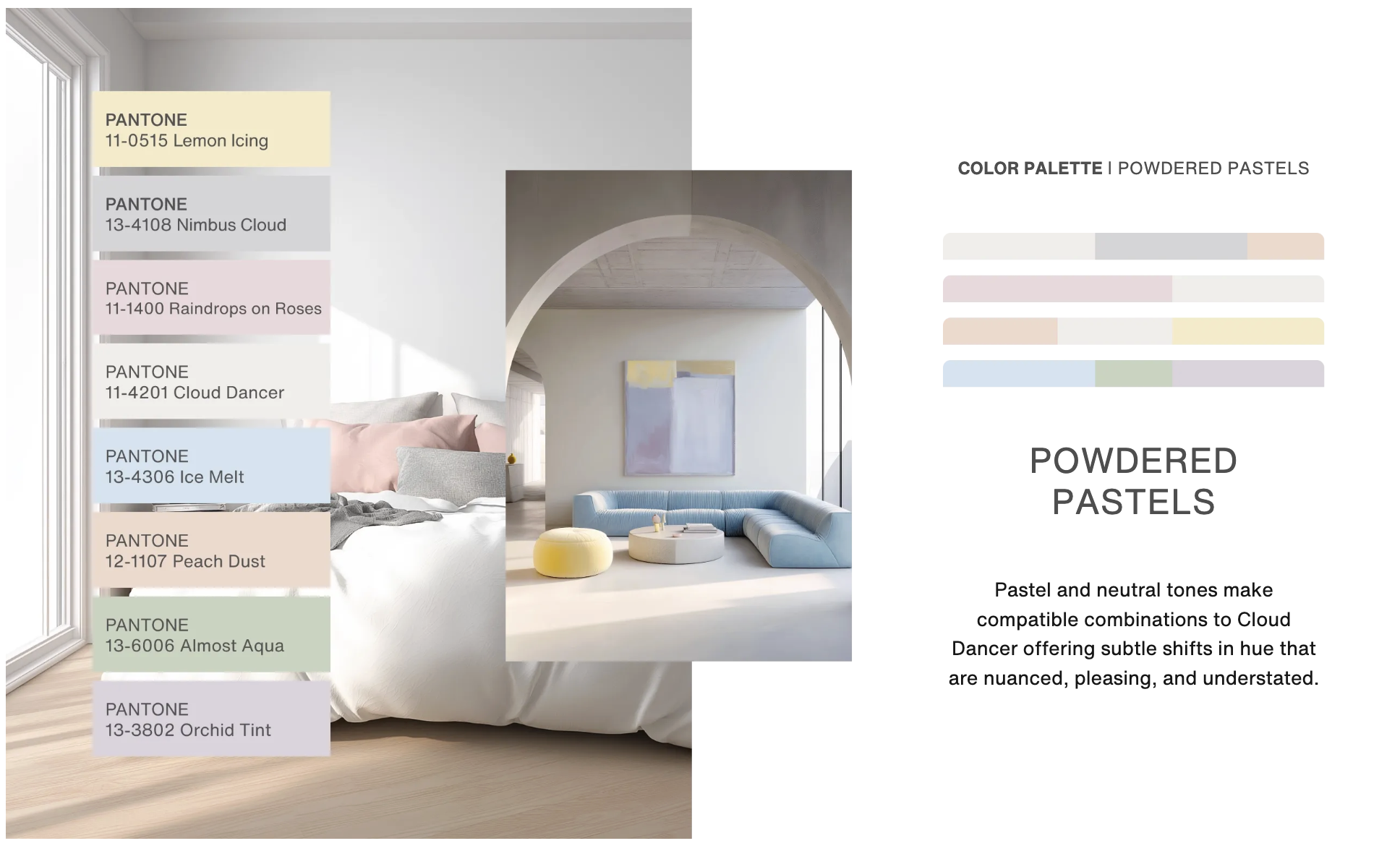
Cloud Dancer may seem simple, but its message is profound. It represents a global desire to pause, reset, and start over, whether that’s rebuilding family bonds, strengthening mental resilience, fostering civic responsibility, or cultivating cultural creativity. It’s a reminder that we don’t have to accept the chaos around us as permanent; we can consciously paint a better, clearer, and more meaningful world.
If Pantone’s Color of the Year truly captures the cultural moment, then 2026 is inviting everyone, especially in the Philippines, to embrace clarity, kindness, and renewal. Like a blank canvas, Cloud Dancer doesn’t erase the past. It gives us a fresh space to create something better.

Ronnie Yatco
Ronnie is a portrait and editorial photographer, a coffee and sushi-lover, a dog-dad, a fitness enthusiast, an interior design hobbyist, and a budding theater actor. Follow him on IG @znackefronn