

Davao’s “Dion The Explorer”
If you really want to know the heart of a destination, don’t just ask a travel agency, ask a local! We recently surveyed our amazing community of RareJob tutors, asking them: “Imagine you are writing a ‘Local Tour Guide’ for Scribbles. What is a famous tourist spot in your location, and why do you think people should go there?”
The responses were nothing short of a love letter to the Philippines. From the foggy, misty highlands of Benguet to the cerulean waters of Cebu, our RareJob tutors proved they are not just experts in ESL but also ambassadors of culture.
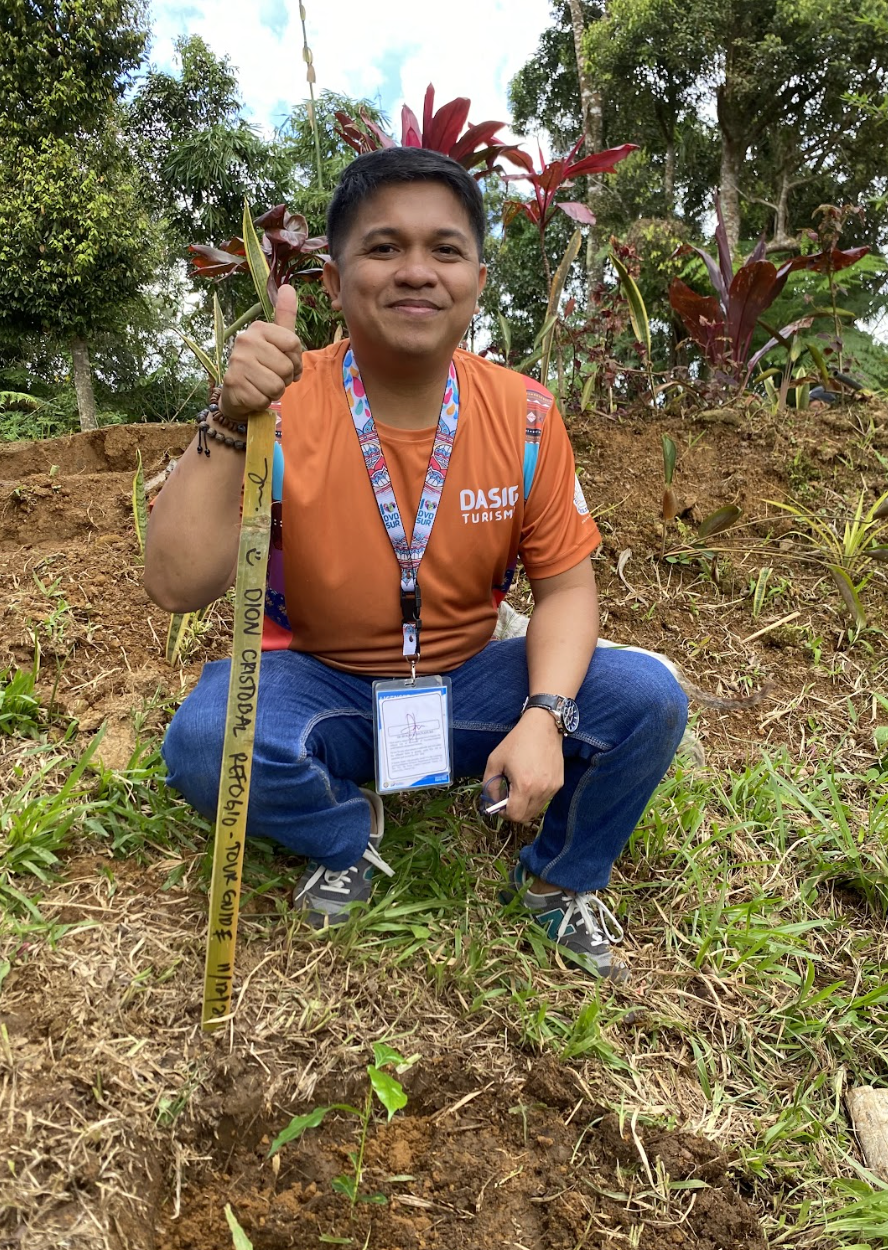
This month, we shine our spotlight on Tutor Dion Jr., a licensed tour guide from Davao, who knows that the best journeys involve more than just sightseeing; they involve tasting the land’s heritage.
The Main Feature: Davao’s Coffee Culture
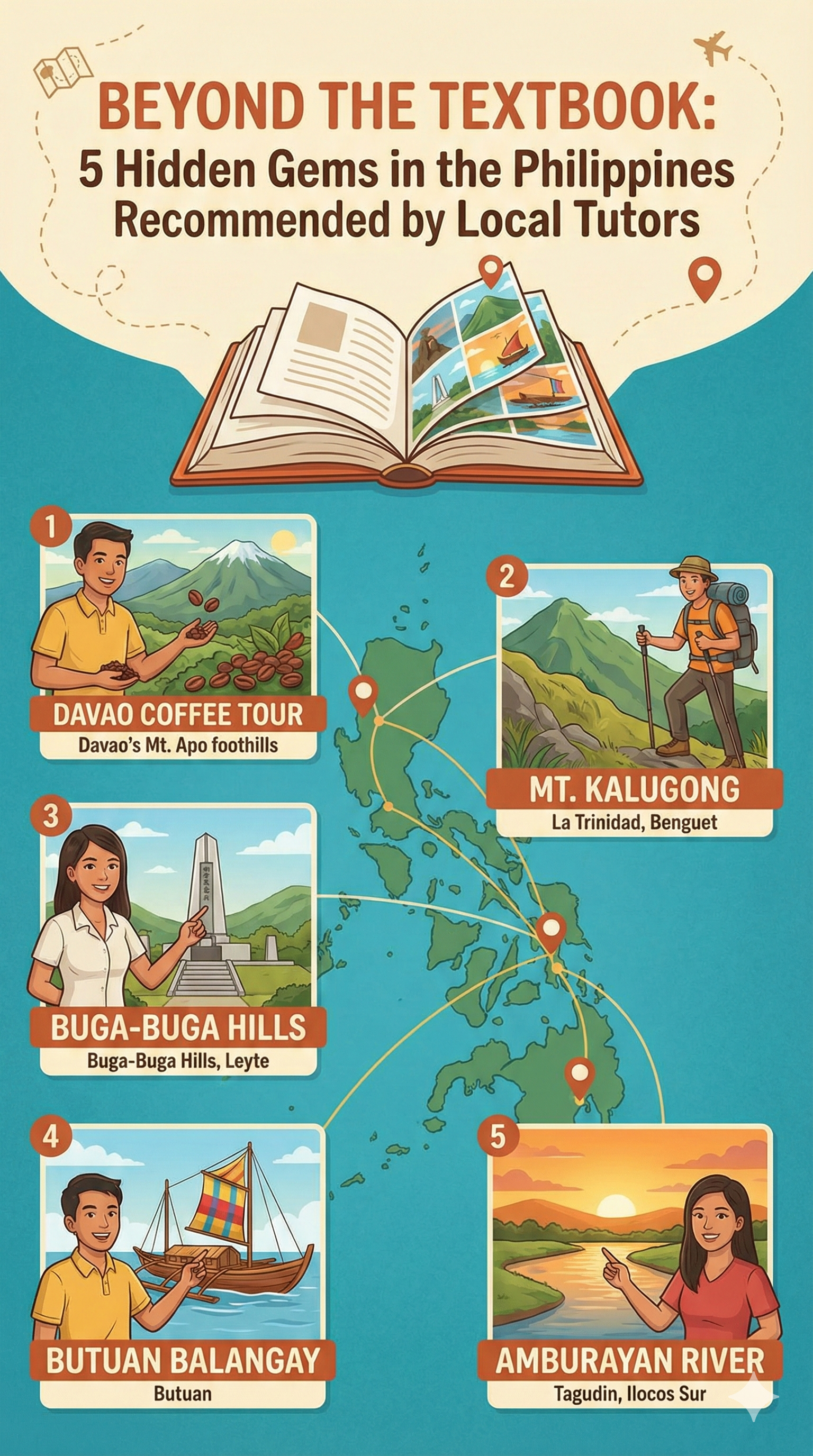
When people think of Davao, they often picture the pristine beaches of Samal Island or the manicured landscapes of Eden Nature Park. While those are beautiful, Tutor Dion believes the province’s true soul lies in the foothills of Mt. Apo.
Dion recommends skipping the usual tourist traps for an authentic Davao Coffee Tour. This isn’t just about drinking a latte; it is a full “bean-to-cup” educational experience.
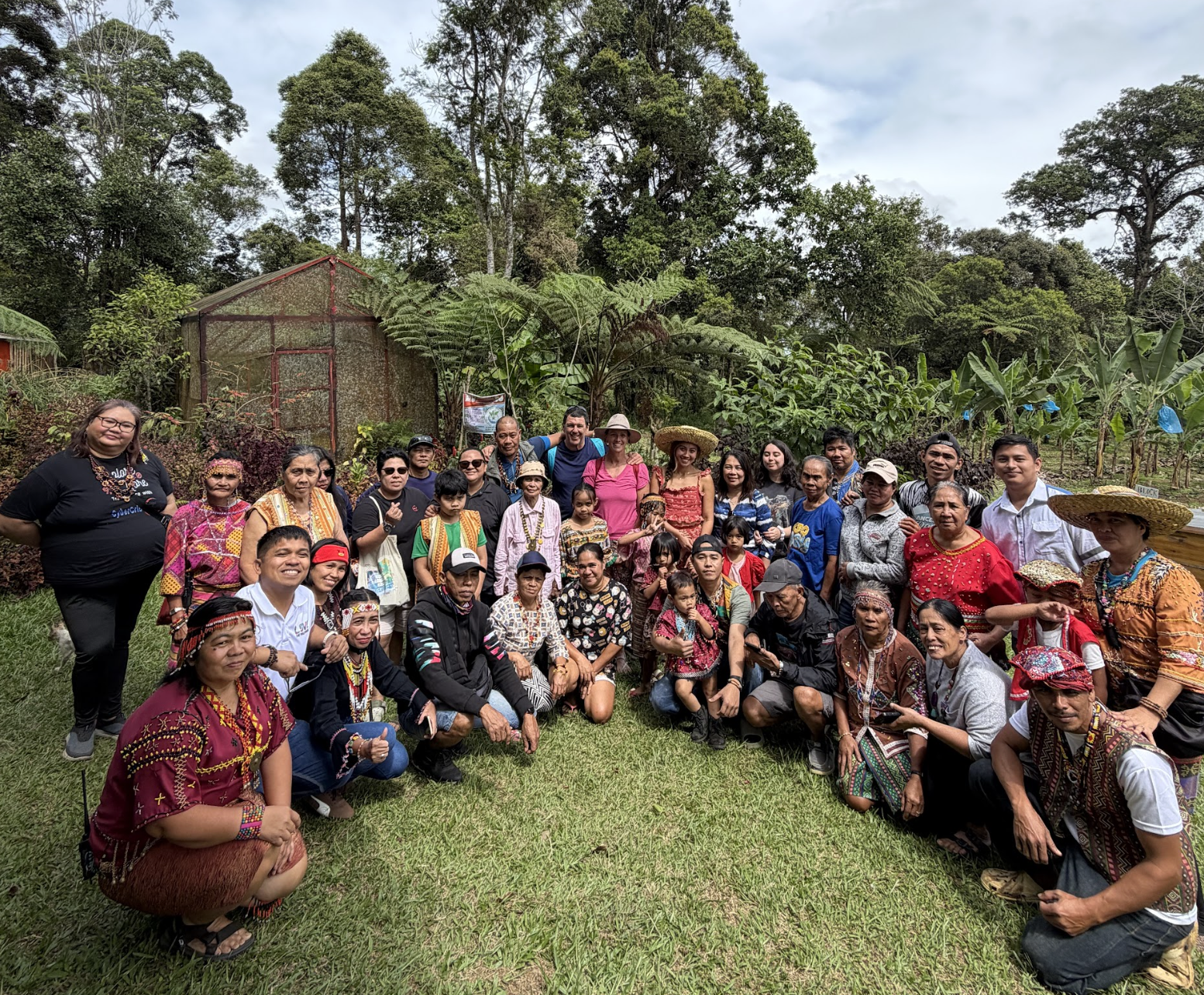
“I am a licensed tour guide here in Davao, and of course, I know the best places here in my hometown, so choosing one tourist spot is quite challenging. Well, taking them to Samal Island, Malagos Garden Resort, or Eden Nature Park would be an obvious choice, but I will let my guests experience the Davao Coffee Tour. Guests will have a ‘bean to cup coffee tour’ experience from nursery farms, harvesting coffee beans up to drying, roasting, and social cupping at the foothills of Mt. Apo, while learning the heritage and culture of the province since most coffee farmers are indigenous people.” – Tutor Dion.JR
Guests travel to nursery farms to witness cherry harvesting, drying, and, finally, roasting. It is a journey into the province’s heritage, as most coffee farmers here belong to indigenous tribes. The tour culminates in a “social cupping” session, where you can sip the rich, aromatic product of the land while surrounded by the cool mountain air.
While Dion took us to the mountains of Davao, other RJ tutors offered equally compelling reasons to pack our bags.
The Heritage of Ilocos Sur
Tutor Randy.LL invites us to Tagudin, a coastal town where history flows as gently as the Amburayan River. Once a major trade waterway, the river is now the perfect spot for sunset picnics. But the real star of Tagudin is Tinubong.
This traditional delicacy is a labor of love. Glutinous rice, coconut milk, and sugar are stuffed into a young bamboo tube and cooked over an open fire (the name comes from tubong, meaning “to stuff”). Cracking open the bamboo to get to the sweet, chewy treat inside is a rite of passage for any visitor.
“Visitors should try Tinubong because it’s more than just a snack, but it’s a piece of living heritage.” – Tutor Randy.LL

Image: Gamintraveler
The Silence of Leyte
For Tutor Mariz.NC, the beauty of her hometown in Villaba, Leyte, lies in its quiet dignity. She recommends a visit to the Buga-Buga Hills, home to the Japanese Peace Memorial.
It is a place where history is felt rather than heard, offering a “gentle lesson that peace can be honored through silence.” To bring a piece of Leyte home, Mariz suggests Salbaro, a local bread made using tuba (coconut wine). The fermentation gives the bread a distinct aroma and soft texture that you won’t find anywhere else.
“As a teacher, standing in Buga-Buga Hills feels like witnessing how history can be expressed without words. The place itself becomes a language of its own, reminding us that understanding does not always come from speaking, but from listening and remembering.” – Tutor Mariz.NC
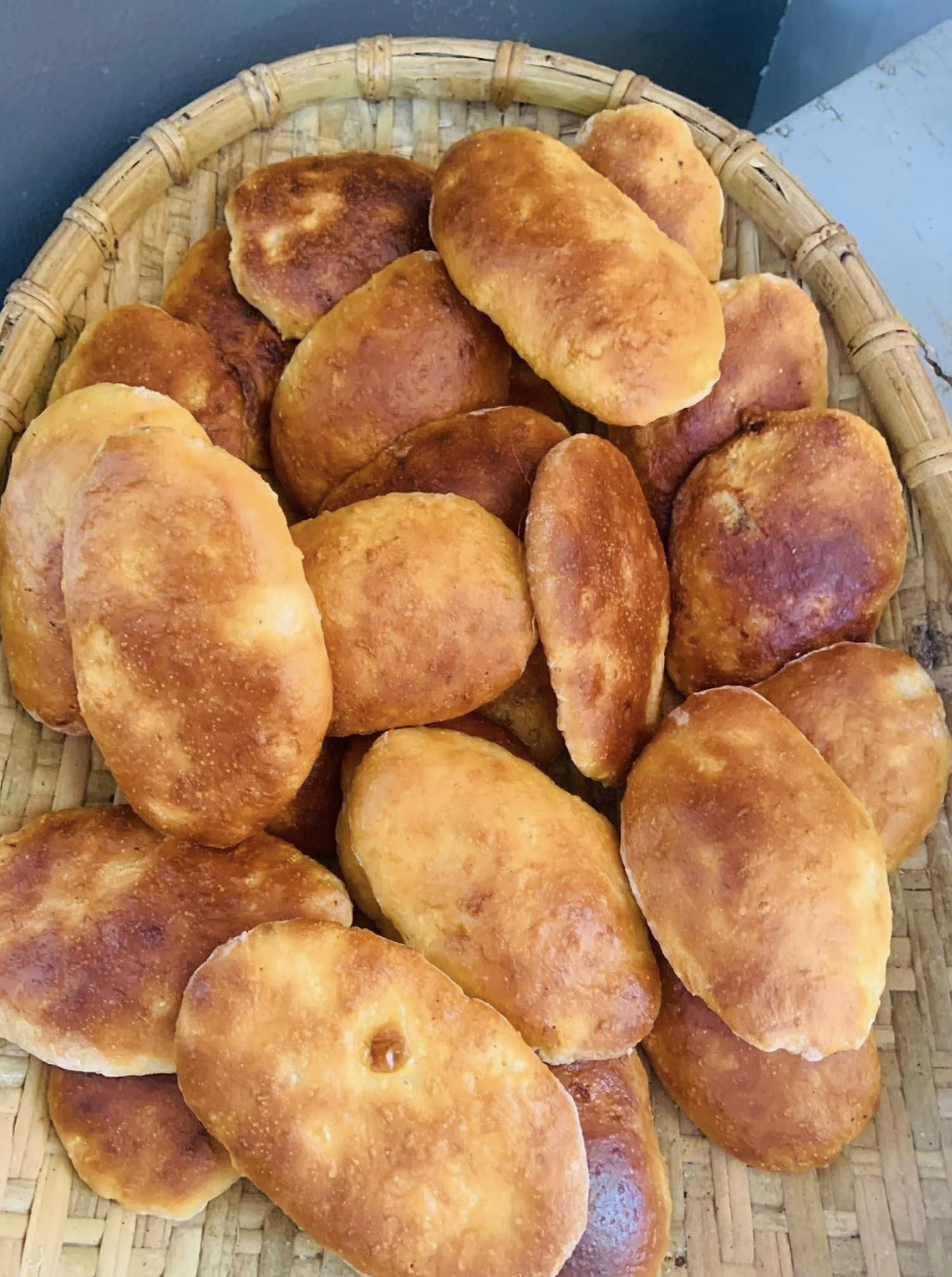
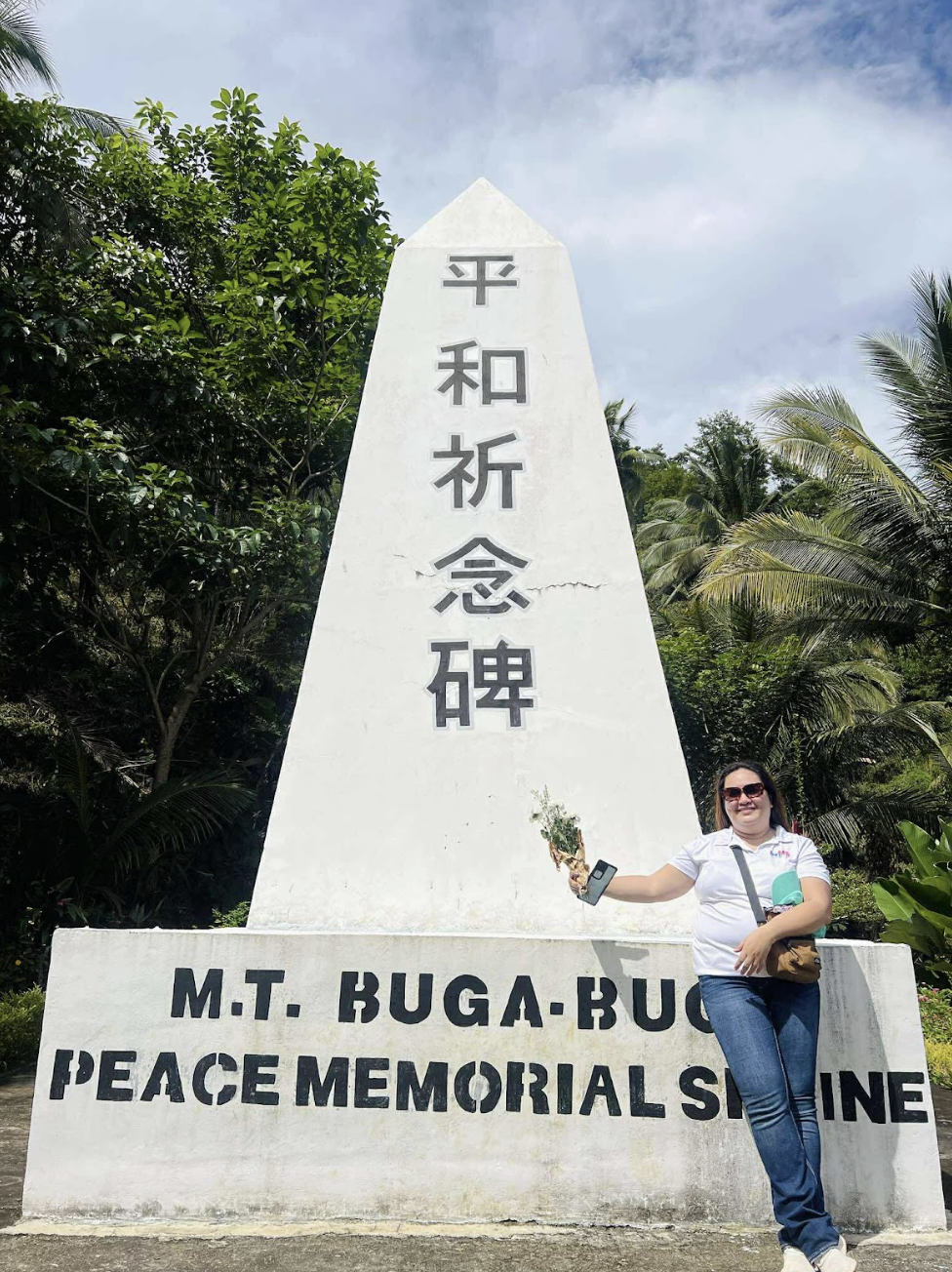

Image by: youtube: Venice Italy Vlog
The Heights of Benguet
If you want the mountain vibes of Baguio without the crowds, Tutor Zammey points you toward La Trinidad’s Mt. Kalugong Cultural Village. Named after its limestone rock formations that look like a Kalugong (hat), this spot offers breathtaking valley views and was even a filming location for SB19!
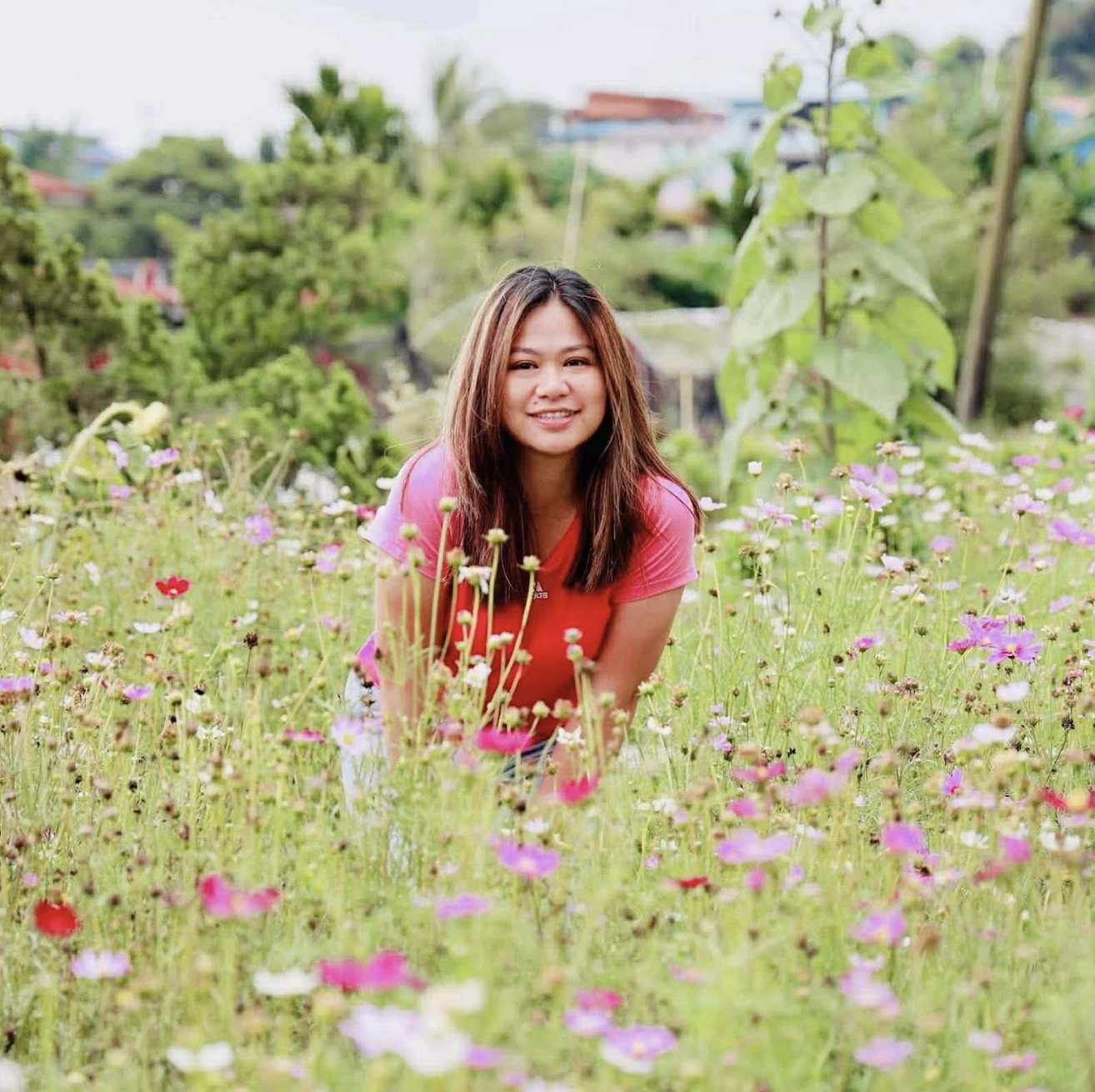
“The fresh air and the view from the top can make you feel so relaxed! I’ve tried it myself once, and I can’t wait to go back again. Even SB19 chose Mt. Kalugong last year as a filming location for one of their songs, showing just how inspiring and special this place is.” – Tutor Zammey
After a hike, nothing beats the cold weather like a cup of locally grown coffee. Zammey notes that in La Trinidad, coffee is a way of life, not just a drink. Whether it’s a Barako blend or a hazelnut mix, the fresh mountain beans are a souvenir that carries the relaxing vibe of the highlands.
The Flavors of Cebu
Finally, Tutor Ferjo takes us to the Queen City of the South. For nature lovers, the clear blue waters of Bantayan Island or the whale shark watching in Oslob are non-negotiables.
But let’s be honest: you go to Cebu to eat. Ferjo insists that while dried mangoes are great, the Cebu Lechon is the king of all food. Roasted to crispy perfection with secret local seasonings, it is widely considered the best lechon in the Philippines.
“The 3 staple pasalubongs from my area are Cebu Lechon, Dried Mangoes, and Carcar Chicharon. While I would recommend buying all 3, if I were to recommend only 1, it would be the Lechon.” – Tutor Ferjo
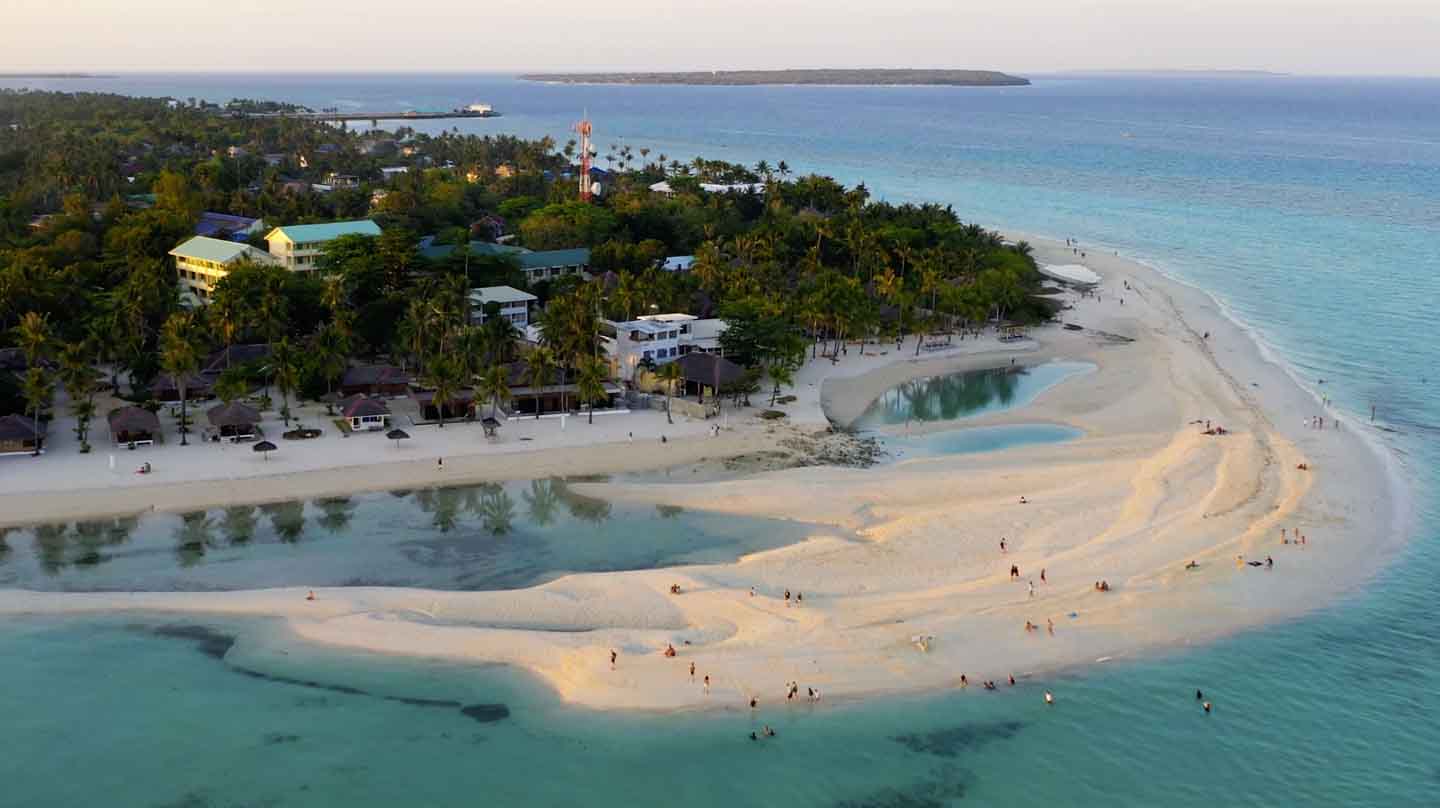
Image: Bacon is Magic

Image: gourmet.art.blog
Mark those Spots!
From the indigenous coffee farms of Davao to the bamboo-cooked sweets of Ilocos, our tutors have shown us that every corner of this country has a story to tell and a flavor to share. These aren’t just travel destinations; they are homes, rich with history and heart.
So, the next time you meet a RareJob Tutor, go ask them about their hometown! You might just find your next great adventure, especially as summer arrives soon!

Ronnie Yatco
Ronnie is a portrait and editorial photographer, a coffee and sushi-lover, a dog-dad, a fitness enthusiast, an interior design hobbyist, and a budding theater actor. Follow him on IG @znackefronn