

It seems to be in the blood of the Filipinos to offer help—that instinctive bayanihan spirit our culture has been known for since the pre-colonial times. This spirit remains alive nowadays with people and families having a sense of compassion and support for the bayan or community.
As a commuter, I often witness this in simple places, like on a passenger jeepney. A few weeks ago, as my mom and I finished our weekly market trip and alighted from a jeepney, a couple suddenly stepped in to help us unload our heavy bags. What was truly amazing was that they were carrying a huge bag themselves! This is a common sight when commuting in the Philippines; whether by jeepney, bus, or train, people naturally help carry another’s baggage.
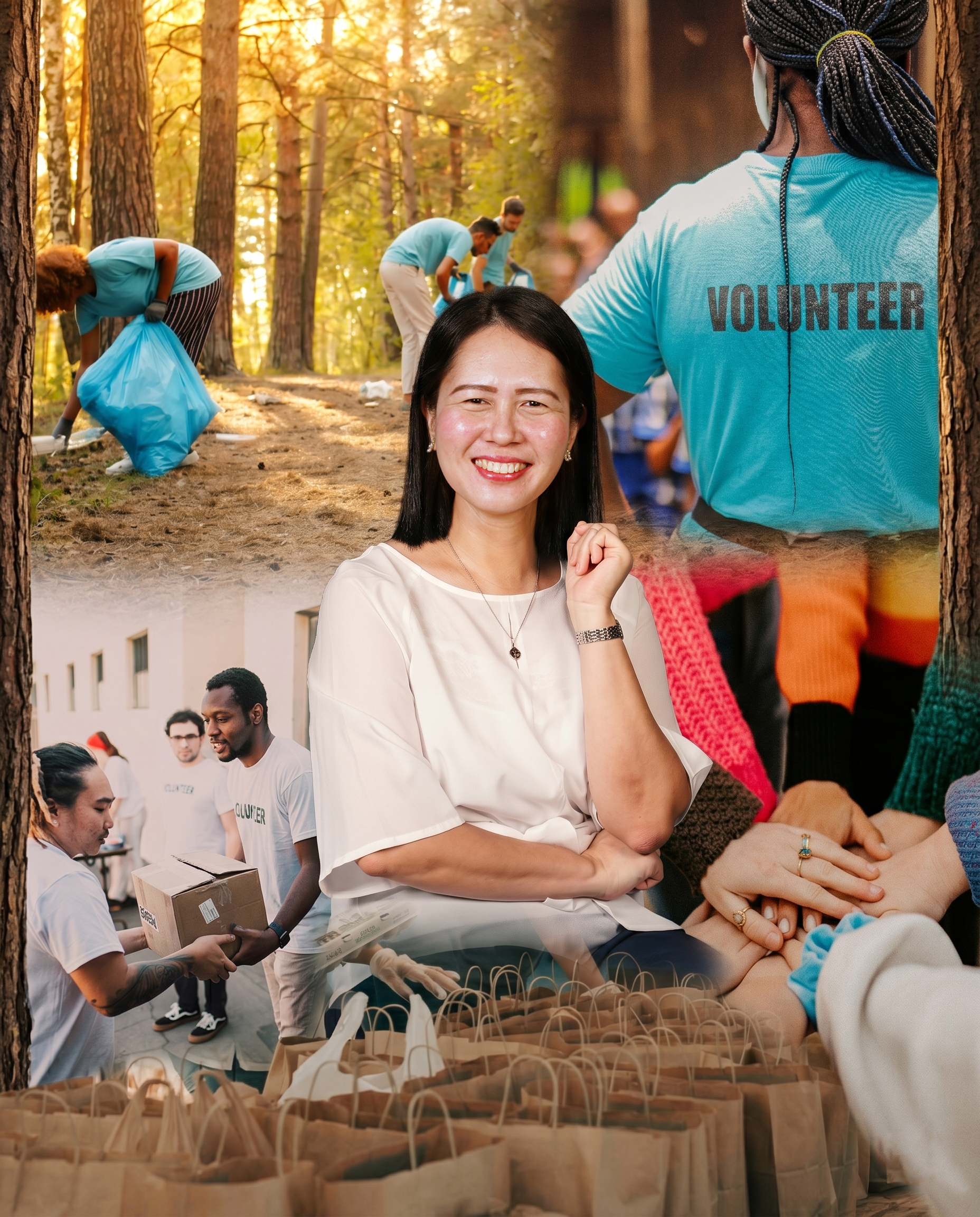
On a larger scale, we are used to giving our services and goods freely during calamities and national emergencies. Many answer the call for donations, join medical and dental missions, sign up for blood drives, or volunteer at their local barangay or parish.
How Volunteerism Started Globally
April is recognized as the “Global Volunteer Month”. This aims to celebrate and honor volunteers worldwide who respond to social challenges or crises, bridging gaps by offering their time, goods, or services.
If you’re curious about how volunteerism started around the world, here is a quick look:
- United States – In 1736, Benjamin Franklin started a volunteer fire company after a fire damaged several properties.
- United Kingdom – Rooted in the Middle Ages, volunteerism is believed to have begun within religious communities.
- Japan – Once a marginalized concept, volunteerism surged in Japan after the Great Hanshin Earthquake in 1995.
- India – Deeply rooted in the long-standing traditions of seva (selfless service) and dharma (duty).
- Australia – Developed through early rural mutual aid and community cooperation.
- Canada – Volunteerism grew through early community and faith-based volunteer efforts.
- South Africa – Became prominent during and after Apartheid as part of social change movements.
- Philippines – While bayanihan is ancient, National Volunteer Month is officially celebrated every December.
Here are some fun facts about volunteerism:
- The verb “volunteer” first originated in 1755.
- Around 2.1 billion people volunteer each month globally, according to the International Labor Organization.
- About 70% of volunteer work is informal, such as helping neighbors or communities.
Helping Others Has Helped Me
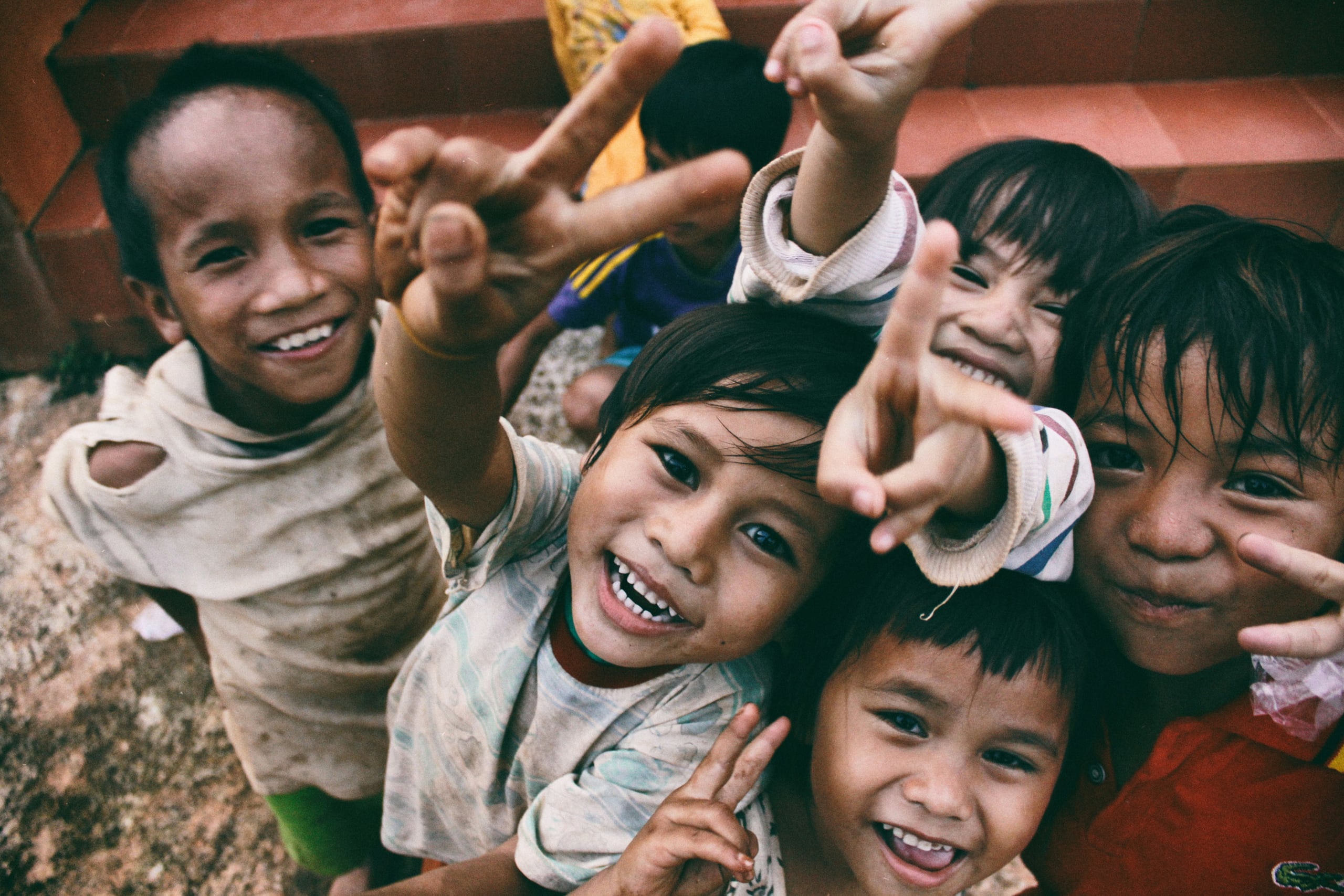
But the real question is, why do people volunteer? As a volunteer myself, I can say it sparks joy from within. In the past, I served as a volunteer tutor for underprivileged children. Seeing them improve their skills is incredibly rewarding. Moreover, helping others helped me improve as well. Volunteering honed my teaching skills, provided valuable experiences, and built the confidence I need today as a RareJob tutor.
Others volunteer to give back to the community, support causes they’re passionate about, and find a sense of self-fulfillment.
- Ian, a Pahinungod volunteer from UP Los Banos, considers volunteering as a “life-long responsibility.” He said that his services enabled the people in the community to have new perspectives. He said getting immersed in the community is what he values the most and considers the experience as one of the happiest moments of his life.
- Another Pahinungod volunteer, John, said that his immersion in the community and grassroots sector made him learn that it is not he who is teaching people, but rather they who are teaching him.
- Anas, a mechanical engineer, found support in UNICEF’s “Maharati” Program when he encountered a conflict in his homeland, Syria. As a way of giving back, he went on to volunteer in UNICEF’s different programs that would benefit his community and those around him.
- Francisca, a Volunteer Solutions volunteer from Colombia, shared her experience in 3 countries. She said that Thailand is the best one, Nepal is very enriching, and Ghana gave her a beautiful experience working with school and orphanage girls.
But whatever the reason is, it is proven that volunteering is good for the person who volunteers and the person who receives the help. According to HealthDirect, volunteers are less likely to experience depression, anxiety, or isolation. So it is officially good for our mental health!
You Can Make a Difference
Of course, volunteering isn’t always easy. A lack of time and strength can get in the way. It’s not easy to help when you’re also struggling with something, or personal struggles can get in the way, and it’s okay to pass on an opportunity when you are overwhelmed. But the good news is that you don’t have to do something big or hard to make a difference. Sometimes it’s as simple as helping someone nearby.
If you have not tried it yet, why not volunteer for a change? Who knows? It might just become one of the most amazing experiences in your life. Try it now and see for yourself. All the best and have fun!
ABOUT THE TUTOR SCRIBBLER
Tutor Prima Pecaoco is an Administrative Professional from Quezon City. She holds an MSC in Management and loves roles where she can help teams work more easily and efficiently. Her 15 years of work experience spans different industries – academe, manufacturing, energy, telecom, and corporate services. Tutor Prima is currently working in a foundation as an Executive Secretary where she supports the Top Management. She is likewise a part-time ESL tutor at RareJob Philippines, helping Japanese students learn English. Beyond her professional life, she’s a believer of work-life balance and enjoys traveling, reading, singing, watching short clips, and spending time with friends.