

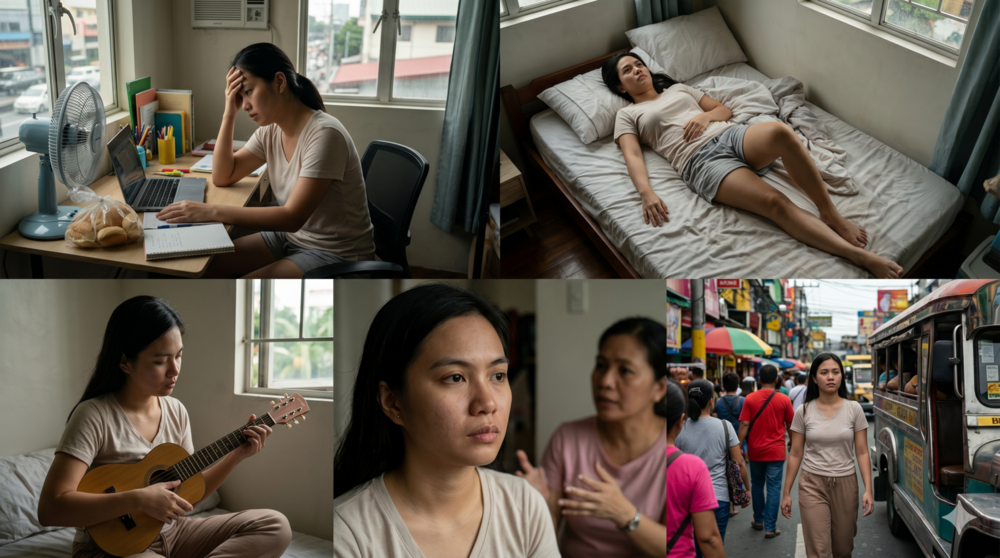
There’s a specific kind of tiredness many Filipinos carry that sleep doesn’t fix.
You wake up exhausted even after 8 hours. Your weekends don’t feel restful anymore. You keep saying “kaya pa” even when your body is already begging you to slow down. And somehow, we normalize it.
In Filipino culture, being hardworking is often treated like a personality trait. Being “busy” sounds productive, and rest feels earned only after total exhaustion.
So when we feel burnout, emotionally drained, mentally detached, or constantly overwhelmed, we tell ourselves: “Pagod lang ’to.”
But what if it’s more than that?
The Difference Between Being Tired and Being Burned Out
Normal fatigue usually goes away after rest. Burnout doesn’t. Burnout is a state of emotional, mental, and often physical exhaustion brought on by prolonged or repeated stress.
Burnout is when:
- You rest, but your mind and body still feel heavy.
- Small, routine tasks suddenly feel completely overwhelming.
- You lose motivation for things you used to genuinely enjoy.
- You become emotionally numb or irritable.
- You start functioning entirely on autopilot.
It’s not just physical exhaustion; it’s emotional depletion. And honestly? Many young Filipino adults are quietly experiencing it
Filipino Hustle Culture Makes It Worse
Let’s be real. Many of us grew up hearing:
- “Magtrabaho ka nang mabuti.”
- “Tiisin mo muna.”
- “Mas mahirap pinagdaanan namin noon.”
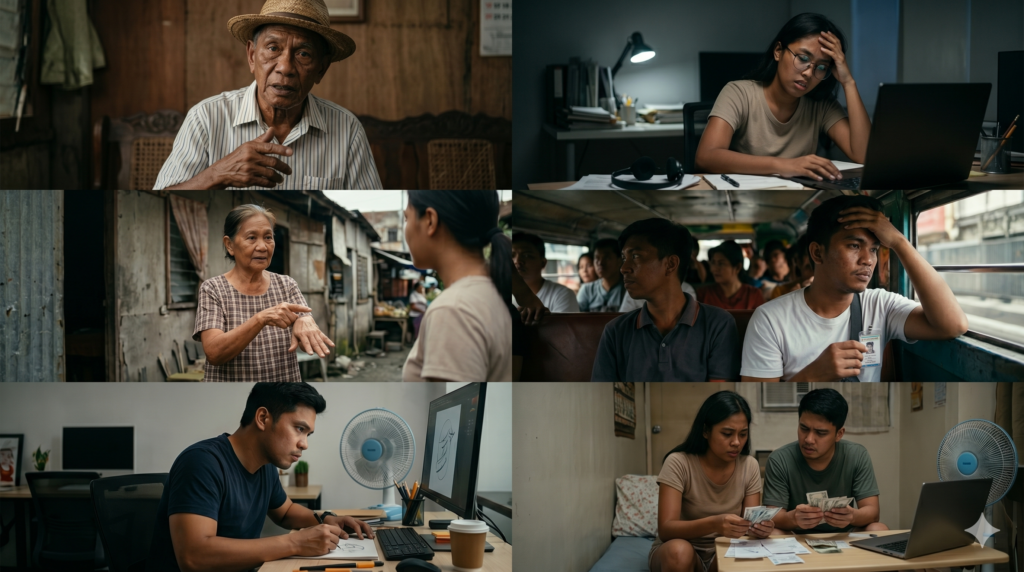
So, we learned to associate struggle with success. That’s why so many Millennials and Gen Z professionals feels immense guilt when resting. Even vacations become content opportunities or “productive breaks.”
We answer emails during lunch.
We overwork because we’re scared of falling behind.
We glorify being busy because slowing down feels irresponsible.
And for breadwinners? The pressure doubles.
You’re not just working for yourself. You’re carrying expectations, bills, and sometimes entire families. Of course, you’re tired.
Signs You Might Be Burned Out (Not Just “Pagod”)
Sometimes, burnout looks incredibly subtle. Not dramatic breakdowns; just a quiet disconnection.
Like:
- Doomscrolling for hours because your brain is too fried to process anything else.
- Feeling anxious every Monday—even if your job is “okay.”
- Wanting to disappear for a while without having to explain yourself to anyone.
- Losing excitement for professional or personal goals you once prayed for.
- Feeling constantly overstimulated but emotionally empty.

The scariest part about high-functioning burnout is how normal it looks from the outside. You can still go to work. Still reply to messages. Still laugh with friends. But internally, you feel checked out.
“Deserve Ko ’To” Culture and Emotional Exhaustion
Have you noticed how often we try to heal ourselves through repid consumption?
“Deserve ko ’to.”
“Add to cart na.”
“Book mo na ’yang trip.”
And honestly, that’s okay. Small joys matter. But sometimes we’re not actually treating ourselves—we’re trying to distract ourselves from systemic exhaustion. Because rest and escapism aren’t the same thing.
A quick weekend beach trip won’t fix chronic burnout. Neither will an overpriced coffee nor another online shopping spree.
Real rest requires a deeper shift:
- Letting yourself pause without carrying an anchor of guilt
- Creating firm, non-negotiable boundaries at work and at home.
- Admitting to yourself and others that you’re overwhelmed.
- Actively asking for help when needed.
And that’s much harder than booking a vacation.
The Loneliness of High-Functioning Burnout
This is the part people don’t talk about enough. High-functioning burnout is isolating because everyone thinks you’re okay.
You’re still productive. Still responsible. Still “doing well.” Meanwhile, your inner dialogue sounds like: “I can’t keep doing this forever.”
A lot of young Filipino adults are carrying silent pressure:
- pressure to succeed early
- pressure to support the family
- pressure to keep up online
- pressure to turn passions into income

We are constantly consuming other people’s achievements while trying to survive our own timelines.
No wonder we’re exhausted.
Rest Is Not Laziness
This might be the hardest thing to unlearn. You do not have to earn rest by destroying yourself first.
You are allowed to:
- log off
- say no
- take breaks
- protect your energy
- choose slower days
Rest isn’t weakness. It’s maintenance. Even machines overheat. Why do we expect humans not to?
Final Thought: Maybe You’re Not Lazy—Just Tired in a Deeper Way
Maybe you’re not unmotivated. Maybe you’ve just been in survival mode for too long. Maybe your body isn’t failing you. Maybe it’s asking you to listen.
And maybe healing starts with admitting: “Hindi na ako simpleng pagod lang.”
Because once you stop treating burnout like something you should simply “push through,” you can finally start taking care of yourself like a person—not just a productivity machine.
And honestly? That’s long overdue.

Mara Mojas
Tutor Retention Associate
Mara is a full-time fangirl and part-time gamer. Casually juggling her life between K-pop, online games, coffee, her cats, and food to survive the modern world. Follow her on IG @yemaraaaaa