

Have you looked at your electricity bill lately and felt a sudden pang of anxiety? You are likely all too familiar with the dreaded spike in your power bill in the Philippines, especially during the scorching summer months. When the heat index hits record highs, our wallets take an equally brutal beating.
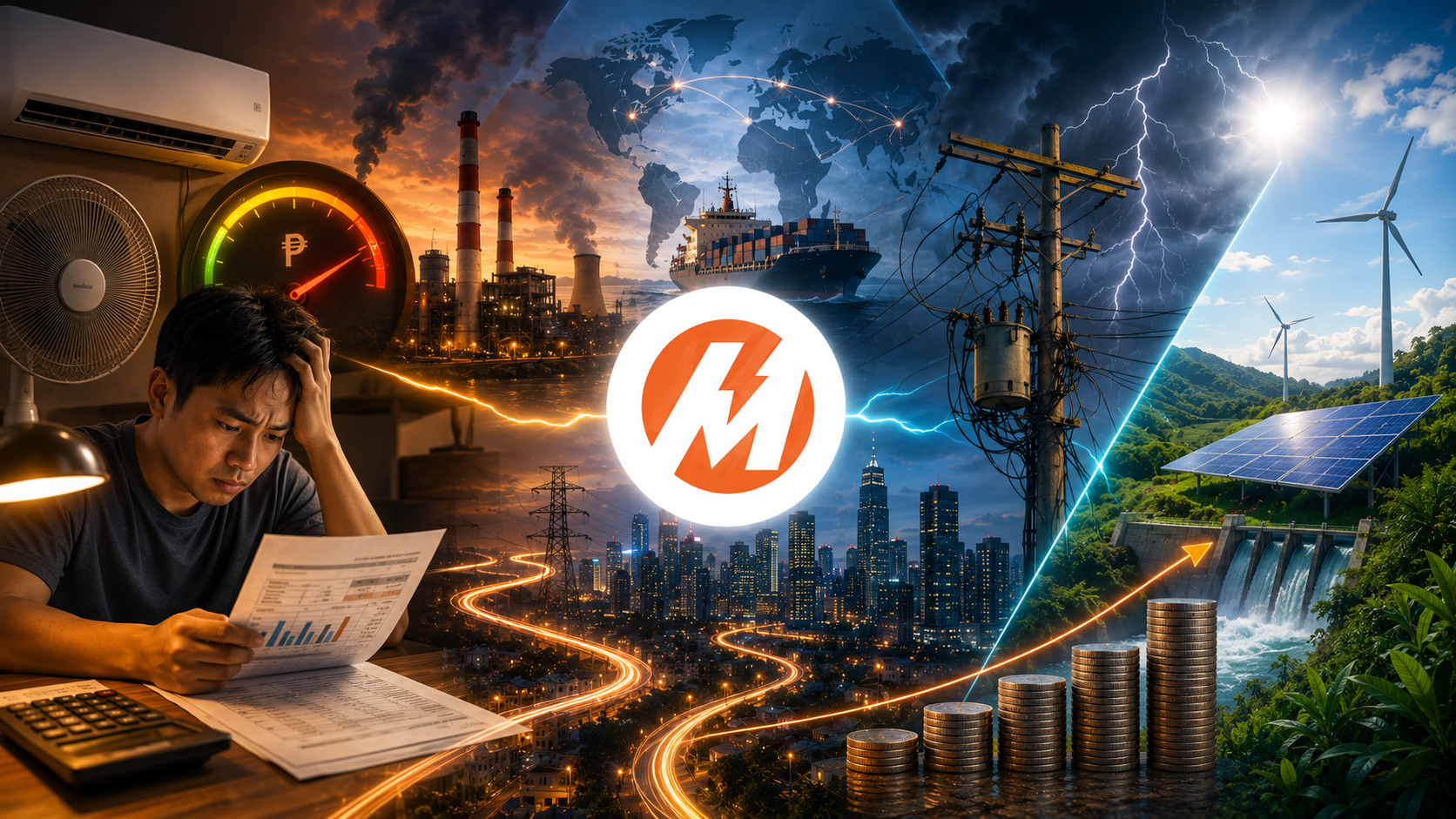
While it is easy to blame your hardworking air conditioner or that electric fan running on 24/7 “number 3” speed, the root cause of our soaring electricity rates goes far deeper than just personal consumption. According to this educational Instagram Reel from Rappler, our heavy reliance on an outdated electricity system is the real culprit keeping Philippine energy prices among the highest in Southeast Asia.
Fortunately, relief may be on the horizon as multi-million peso modernization plans are currently underway to upgrade our infrastructure. These initiatives include deploying millions of smart meters for real-time tracking, integrating AI and US-based smart grid technology to improve resilience, expanding substations in Caloocan, Laguna, and Novaliches, and even relocating power lines underground in flood-prone areas to prevent weather-related outages.
To help make sense of the madness, let us break down exactly why your “May-ralco” bill is breaking the bank into three simple, easy-to-understand parts.
1. The Power Grid: How Electricity Moves
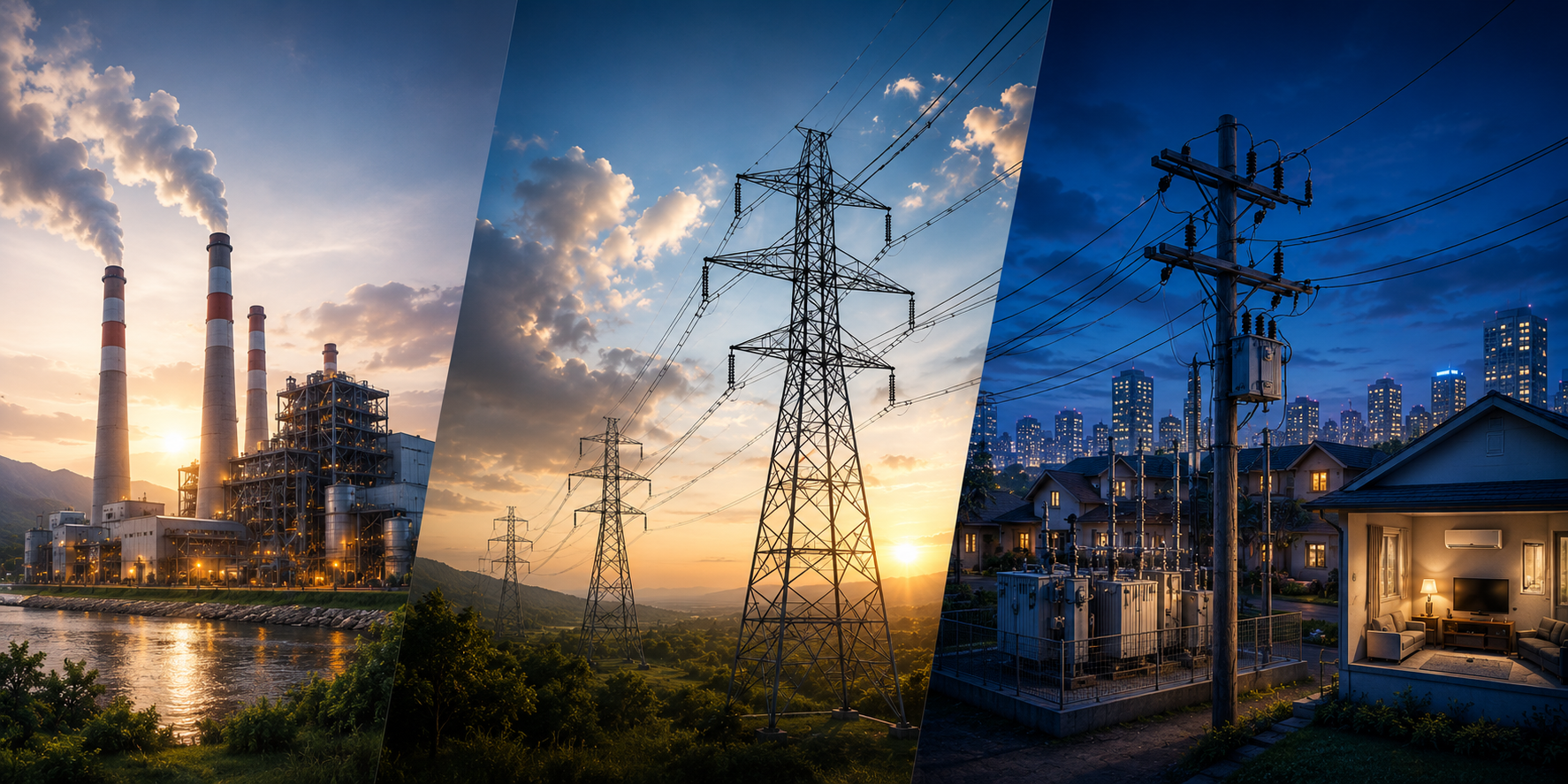
To understand where your hard-earned money goes, you first need to look at how power reaches your home. The massive network that delivers electricity is called the power grid, and it relies on three interconnected stages:
- Generation: This is where electricity is born at massive power plants (mostly located in provinces far away from Metro Manila).
- Transmission: High-voltage electricity travels across long distances through those giant steel towers and thick cables managed by the National Grid Corporation of the Philippines (NGCP).
- Distribution: This is where local utilities like Meralco come in. They take that high-voltage power from the transmission lines, step it down to a safer voltage through local substations, and deliver it directly to your home’s outlets.
Every time electricity transitions between these stages, a corresponding fee is tacked onto your final bill—a financial journey funded entirely by the consumer.
2. Our “Imported” Energy Problem
If you look closely at the breakdown of your Meralco bill, the single biggest chunk, usually over 50%, comes from the generation charge. This is the actual cost of producing the power, and it is where our local context gets hit hard by global realities.
The main problem? The Philippines heavily relies on imported fossil fuels, such as coal and diesel, to run its traditional power plants.
Think of it like ordering food via delivery apps every single day instead of cooking at home. You are completely at the mercy of the restaurant’s pricing, fluctuating fuel surcharges, and the app’s sudden surge fees.
Because we import these fuels, our local electricity rates are directly tied to the volatile international market. If there is a geopolitical crisis in the Middle East causing an oil crisis or a sudden coal export ban from a major supplier like Indonesia, the cost of importing fuel skyrockets.
To make matters worse, we pay for these fuels in US dollars. So, if the Philippine peso weakens against the dollar, it costs even more pesos to buy the same amount of fuel. When you add international shipping, insurance, and local logistical fees, the costs quickly pile up. Since the Philippine government does not provide subsidies to cushion these blows, the financial burden is passed 100% directly to Filipino consumers.
3. Hidden Charges and Grid Delays
On top of volatile international fuel prices, your bill is packed with extra fees stemming from our aging, localized infrastructure.
Because our power lines are old and inefficient, a portion of electricity is naturally lost as heat or wasted due to technical defects during transmission. This wasted electricity is billed back to you as a system loss charge. When you add national and local taxes, transmission fees, distribution costs, universal charges, and government-mandated subsidies (like lifelines and renewable energy incentives), your bill becomes a mountain of stacked charges. Patong-patong, as we say locally.
The ultimate solution to lower these monthly bills is transitioning to native, renewable energy sources like solar, wind, and hydropower. Since sunlight, wind, and water are naturally abundant and completely free in the Philippines, shifting to green energy means we wouldn’t have to spend billions importing foreign fossil fuels.
However, energy experts note that the country’s transition to renewable energy is moving at a snail’s pace. Our current power grid was built decades ago to support a few centralized, massive fossil fuel plants, and our distribution system is strictly one-way. Upgrading these lines, securing right-of-way clearances, and expanding grid interconnections across our islands have faced massive regulatory and execution delays. Put simply, our power lines are just not ready to handle a massive influx of renewable energy yet.
The Bottomline is: Meral-can’t
Your expensive May electricity bill is the painful domino effect of a volatile global fuel market hitting an outdated, heavily congested local power grid. Until the country fast-tracks the modernization of its grid infrastructure and successfully shifts toward self-reliant, renewable energy, ordinary Filipino consumers will continue to absorb the high costs of a system left behind.
The next time you look at your bill, remember: it isn’t just your appliances driving up the cost—it’s the cost of a power grid that desperately needs a modern rewrite.

Ronnie Yatco
Ronnie is a portrait and editorial photographer, a coffee and sushi-lover, a dog-dad, a fitness enthusiast, an interior design hobbyist, and a budding theater actor. Follow him on IG @znackefronn