

“Grabe, ang init.”
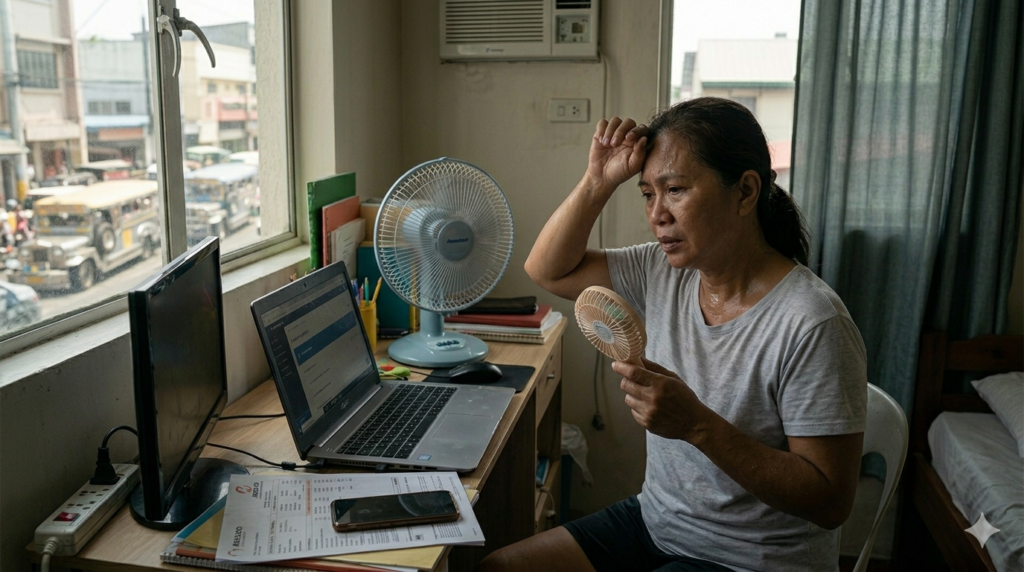
It’s probably one of the most common things you’ll hear Filipinos say these days. Whether you’re squeezed inside a jeepney during rush hour, trying to sleep with only an electric fan, or staring at your Meralco bill in disbelief, it feels like the heat is hitting harder than ever.
And unfortunately, it may get worse before it gets better.
According to PAGASA, El Niño conditions are already present in the tropical Pacific and have a high probability of developing into a stronger event that could last until early 2027. Experts are warning that it may intensify into a strong or even very strong El Niño by the end of the year, increasing the risk of drought, water shortages, and extreme heat across the country.
But what does that actually mean for ordinary Filipinos?
The short answer: more heat, higher expenses, and bigger challenges in daily life.
1. Hindi Lang Mainit—Mas Mahal Din
When people hear “El Niño,” they often think of hot weather. But one of the biggest impacts isn’t the temperature itself—it’s the cost of living.
Long periods of dry weather can affect crops and reduce agricultural output. The Department of Agriculture has already warned that a strong El Niño could significantly impact rice production and food supply if conditions worsen.
And when supply goes down, prices usually go up.
For Filipino families already dealing with rising grocery bills, even small increases in the prices of rice, vegetables, fish, and other staples can quickly add up.
In other words, El Niño doesn’t just make us sweat—it can also put more pressure on our wallets.
2. Ang Hirap Maging Pilipino Kapag Mainit
Let’s be honest: not everyone has the luxury of staying indoors with air conditioning.
Many Filipinos spend hours commuting under the scorching sun. Delivery riders, construction workers, vendors, farmers, and countless others work outdoors regardless of the weather.
A simple trip can feel exhausting when temperatures soar.
Even people working from home aren’t spared. The combination of heat, poor ventilation, and rising electricity costs can make productivity difficult.
If you’ve ever found yourself feeling unusually irritable, tired, or unmotivated during a heat wave, you’re not alone. Extreme heat affects both physical comfort and mental well-being.
Sometimes we’re not lazy.
Sometimes we’re just overheating.
3. Expect Higher Electricity Bills
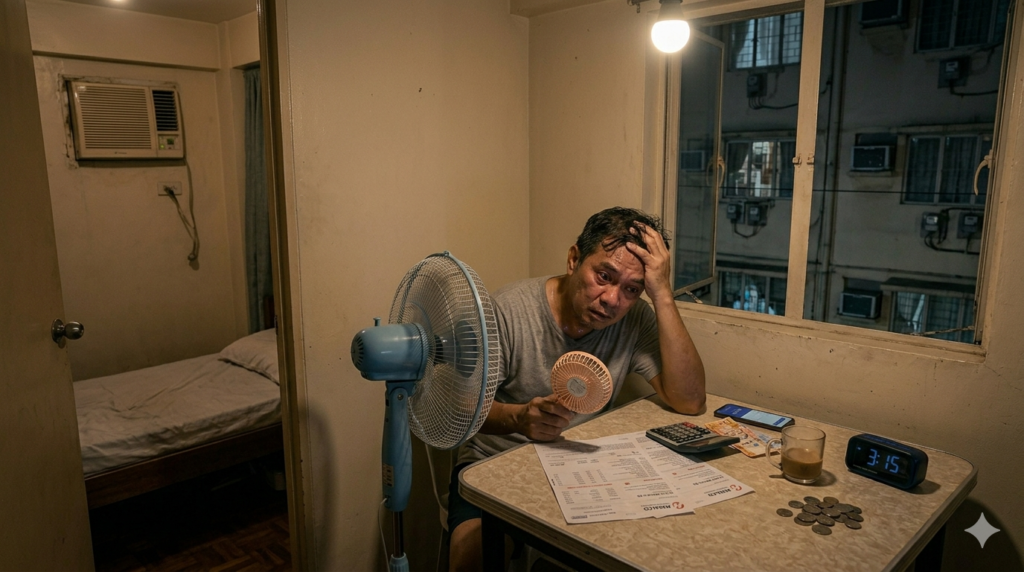
As temperatures rise, so does our dependence on cooling appliances.
Electric fans run longer. Air conditioners stay on for more hours. Refrigerators work harder to keep food fresh.
The result?
Higher electricity consumption.
Many Filipino households experienced this during previous periods of extreme heat, and another strong El Niño could lead to a repeat of the same pattern.
It’s the classic Filipino dilemma:
“Mag-aircon ba ako para makatulog, o titiisin ko na lang para hindi tumaas ang bill?”
Neither option feels ideal.
4. Tubig: The Resource We Often Take for Granted
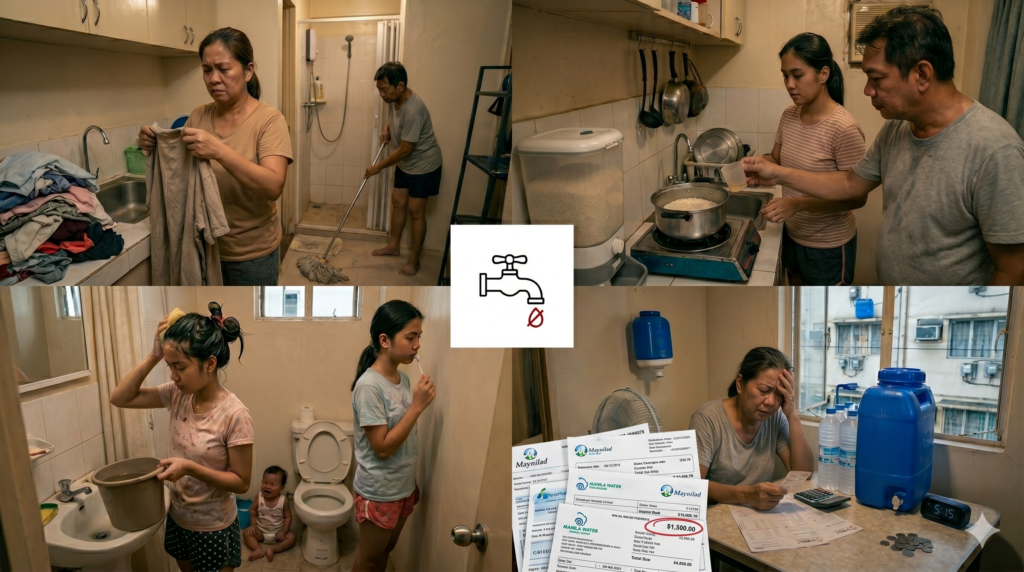
Water shortages are another concern.
PAGASA projects that while rainfall may remain adequate through parts of the rainy season, significantly drier conditions could emerge later in the year, especially from October onward.
For many Filipinos, water interruptions aren’t just inconvenient—they disrupt daily routines.
No water means:
- Delayed household chores
- Difficulty cooking meals
- Challenges in maintaining hygiene
- Additional expenses for water deliveries or storage solutions
It’s one of those things we rarely think about until it’s suddenly unavailable.
5. Farmers Feel It First
Long before most city residents notice the effects of El Niño, farmers often experience them firsthand.
Less rainfall means more difficult growing conditions. Crops require water, and prolonged dry spells can reduce harvests and affect livelihoods.
The impact doesn’t stop in farming communities.
When agricultural production suffers, the effects ripple throughout the country—from markets and supermarkets to dining tables in urban areas.
The vegetables in your grocery cart, the rice on your plate, and even your favorite carinderia meals can all be affected.
So What Can We Do?
No single household can stop El Niño.
But preparation can make a difference.
Simple actions like conserving water, using electricity more efficiently, staying hydrated, and paying attention to weather advisories can help households manage the challenges ahead.
More importantly, El Niño reminds us that climate-related events are no longer distant concerns.
They’re already part of everyday Filipino life.
The Bottom Line
For many Filipinos, the conversation starts with the heat.
“Ang init naman.”
But behind that simple complaint is a larger reality.
A stronger El Niño doesn’t just mean uncomfortable afternoons. It can mean higher grocery bills, rising electricity costs, water shortages, challenges for farmers, and additional stress for families already trying to make ends meet.
The next time someone says, “Ang init na,” they’re probably talking about more than the weather.
Because for many Filipinos, the real problem is this:
Ang init na nga, ang mahal pa.

Mara Mojas
Tutor Retention Associate
Mara is a full-time fangirl and part-time gamer. Casually juggling her life between K-pop, online games, coffee, her cats, and food to survive the modern world. Follow her on IG @yemaraaaaa