

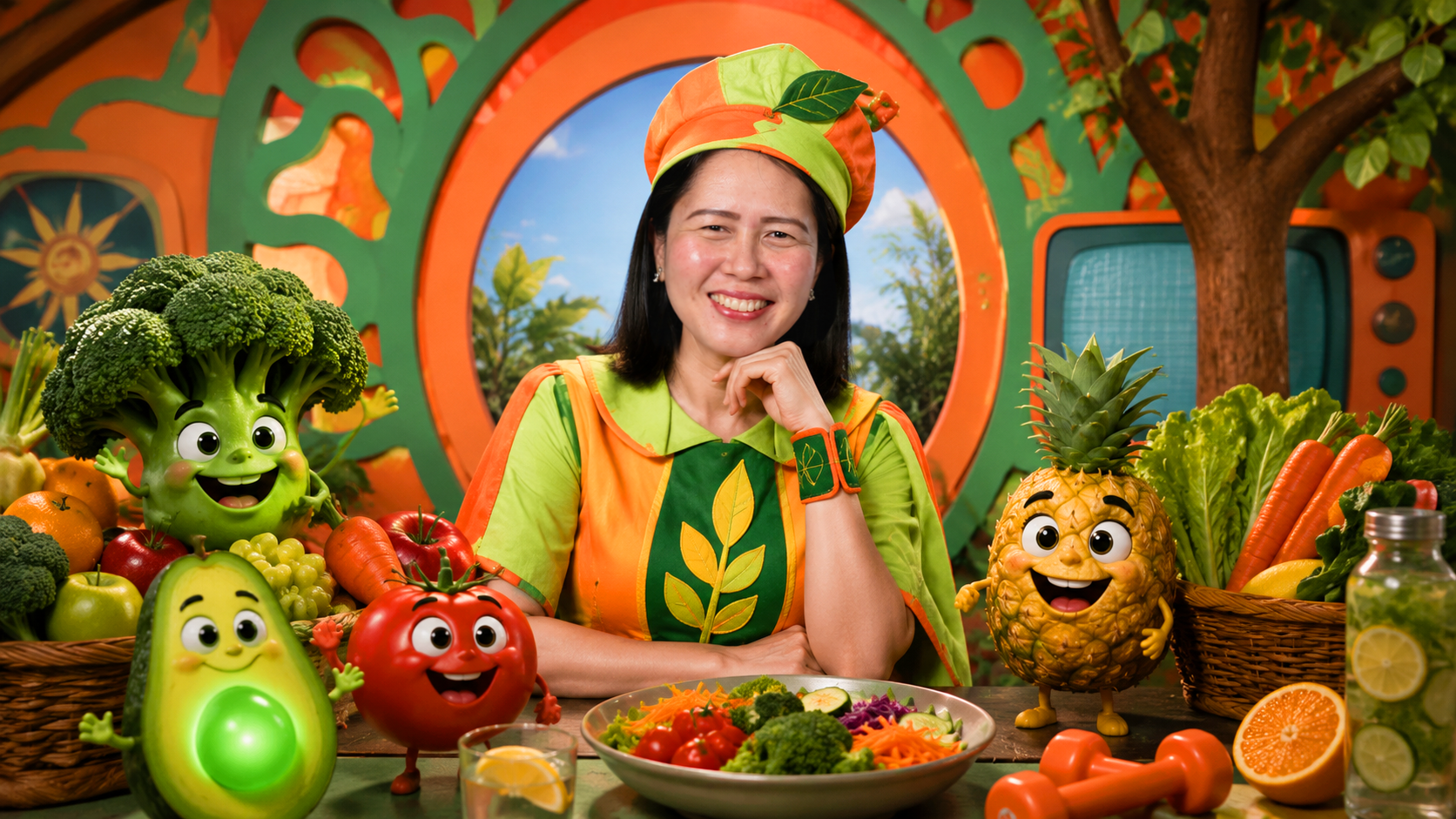
Tutoring and Nutrition
Being a RareJob tutor for more than a year, I can say that this job is rewarding but at the same time demanding. Tutors need to be present for their students and manage each lesson well. Since the daily routine of preparing for lessons and teaching itself can be taxing, tutors need to practice self-care to stay healthy and happy.
One way we can care for ourselves is by maintaining good nutrition. It is accessible to everyone and does not need to be expensive. For the most part, it involves learning how food and the body work together, choosing the right kind of food, carefully planning meals, and eating at the right times. Read through the article to unlock this other tutoring essential!
A Good Diet
Eating several cups of rice can be tempting, especially when paired with savory dishes like adobo, menudo, or kare-kare. After a late-night shift, it may also be tempting to eat pizza, burgers, or chips and wash them down with milk tea or soft drinks.
Many people also reach for large servings of cake, cookies, or ice cream after a bad day. While these foods can be enjoyable, eating too much of anything can have negative effects on health; frequently consuming junk food can also lead to undesirable health consequences.
Having experienced a family health emergency, I learned from doctors and nutritionists that diet is one big factor affecting health, and a good diet helps in disease prevention. This learning and the famous phrase “Let thy food be thy medicine and medicine be thy food” inspired me to change my eating habits and consume only those foods that can truly make me healthy.
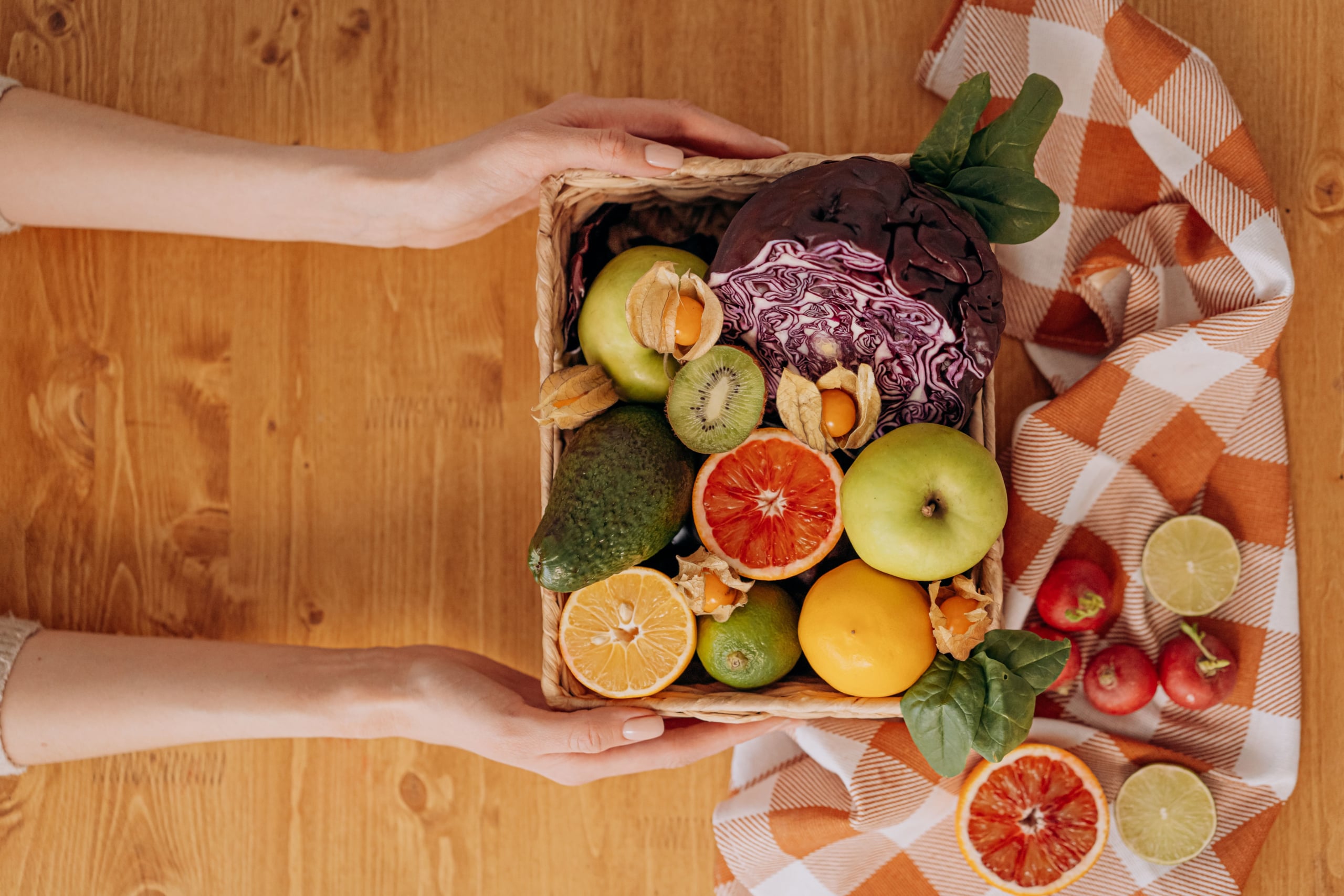
So what does a good diet consist of? It consists of eating whole foods and minimally processed foods. It is called a whole food because it has not been processed, i.e., it has not been significantly altered from its natural state. It is called a minimally processed food if it has undergone simple preparation, such as washing and cutting. Examples of whole foods are fresh fruits and vegetables, minimally processed meat, fish, and seafood, whole grains, nuts and seeds, and legumes. Because they are unprocessed, whole foods retain their natural vitamins and minerals, making them the best choice.
Getting whole foods is not that complicated. They can be sourced from the traditional wet market, especially the bagsakan, where it is being sold at a low price. If the wet market is not a choice, they’re also available in big groceries and supermarkets but sold at a higher price.

Healthy Eating Habits
Tutors often have busy schedules, which can make healthy eating challenging. However, we should at least aim for a balanced diet and eat at the proper time. A balanced diet means eating the right amounts of carbohydrates, proteins, and fats, as in the Pinggang Pinoy, a food plate model created by the Food and Nutrition Research Institute of the Department of Science and Technology. Pinggang Pinoy also features various versions tailored to the recommended meal proportions for children, adolescents, the elderly, and pregnant or lactating women. But in general, Pinggang Pinoy means ½ of the plate should contain fruits and vegetables for regulation of body processes, ⅙ of the plate should be for protein for growth and repair of body tissues, and ⅓ of the plate should be for carbohydrates for energy.
For those following a traditional eating schedule, the three meals in a day should be properly spaced out at 3 to 4-hour intervals to align with the body’s circadian rhythm and metabolic processes. This timing helps stabilize blood sugar, boost energy, improve focus, and prevent energy crashes.
However, some doctors and experts also recognize alternative eating patterns, such as intermittent fasting (IF), which typically involves eating fewer than three times a day within a designated time window. IF allows the body to exhaust stored sugar and begin burning fat, which may aid weight loss, improve blood sugar levels and heart health, and reduce inflammation.
Additionally, the Japanese practice of Hara Hachi Bu, or eating until 80% full, is likewise advisable regardless of one’s eating schedule, as it promotes mindful eating by encouraging people to eat slowly and focus on what they are eating.
Taking Charge of Our Own Health
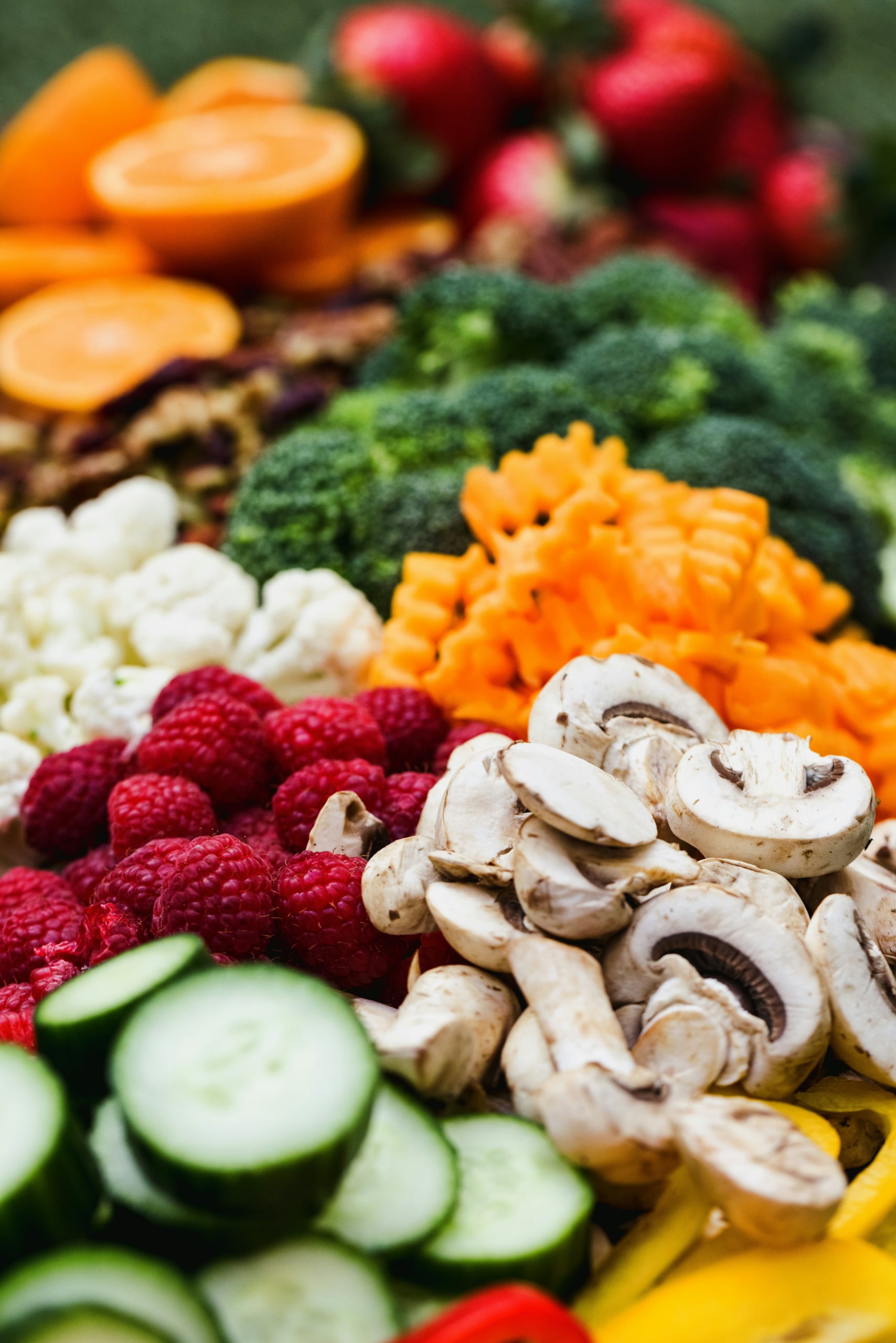
In a country where health programs are still developing, we need to take charge of our own health. As tutors, our ability to teach and serve our students depends greatly on our well-being. By choosing more whole foods, making healthier decisions each day, and seeking professional guidance when needed, we can build habits that support long-term health.
The journey to better nutrition begins with small, consistent steps. With discipline, perseverance, and a commitment to caring for ourselves, we can improve our health, enhance our quality of life, and continue giving our best to our students.
Reference: https://www.fnri.dost.gov.ph/images/sources/PinggangPinoy-Adult.pdf